SAVE THE CORALS
Corals, guardians of our oceans
Protecting corals means protecting life.
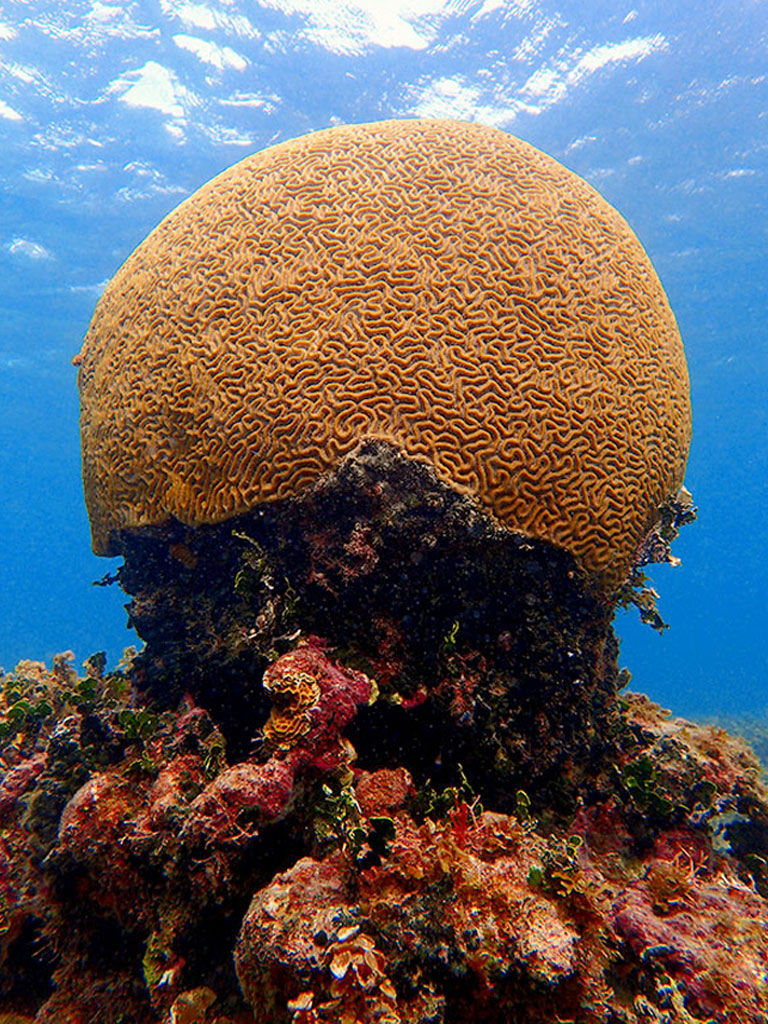
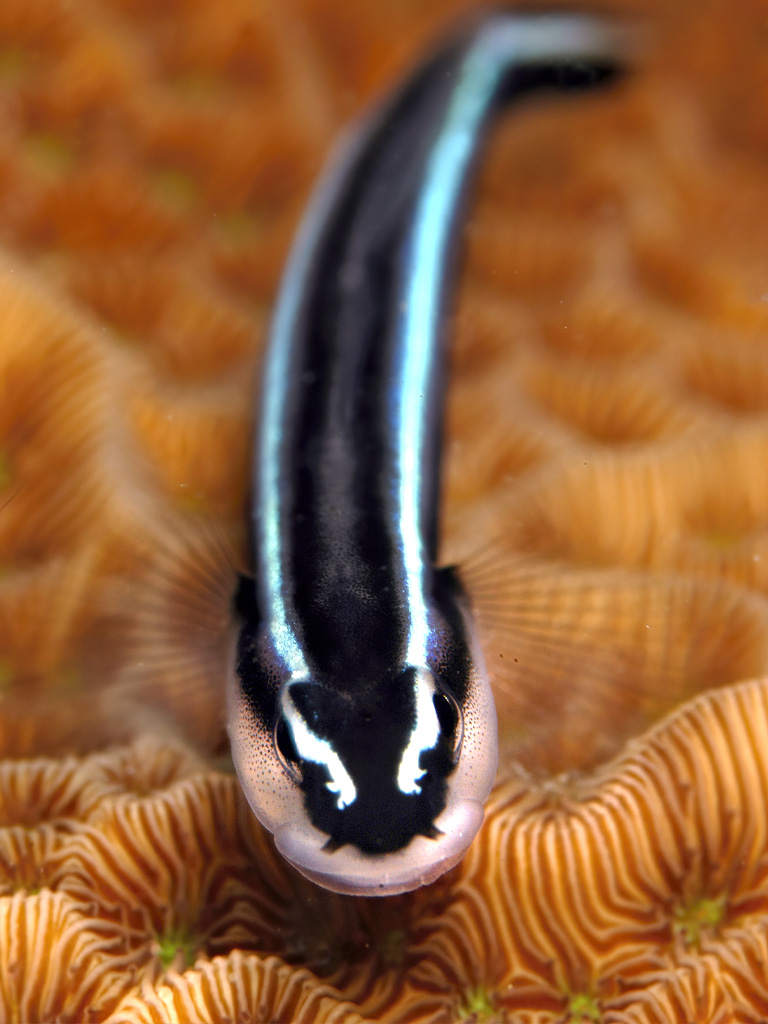
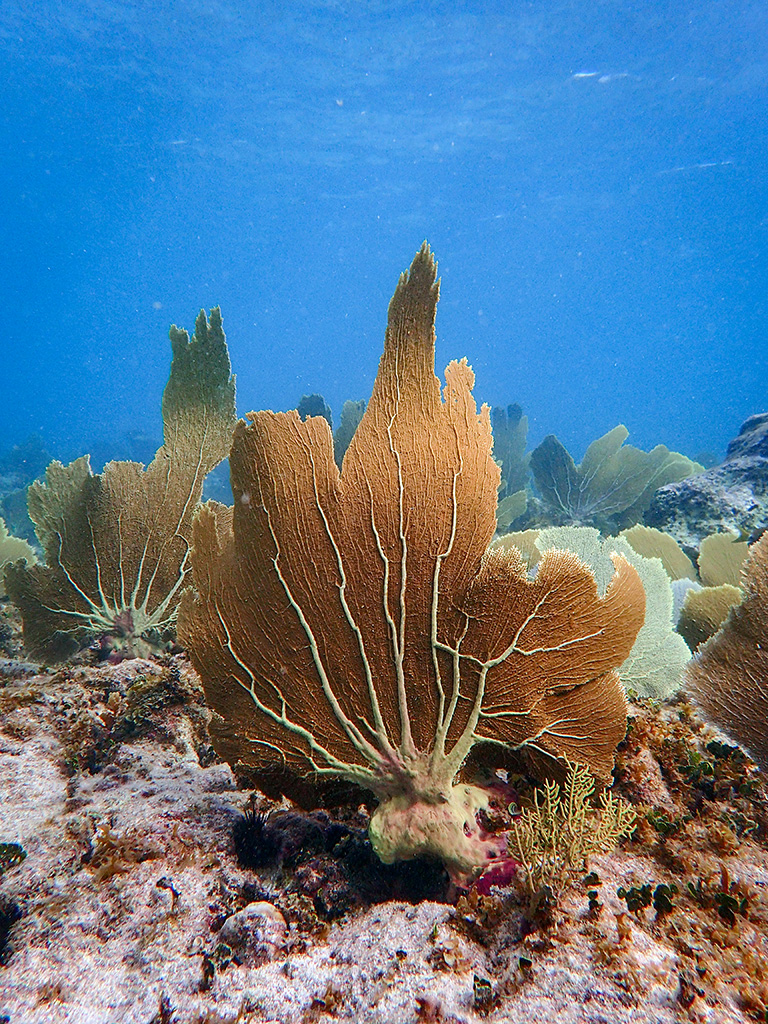
Coral is an animal, not a plant. It usually lives in colonies of tiny organisms called polyps, which gradually build a limestone skeleton. This is how coral reefs form: true havens for a multitude of marine species.
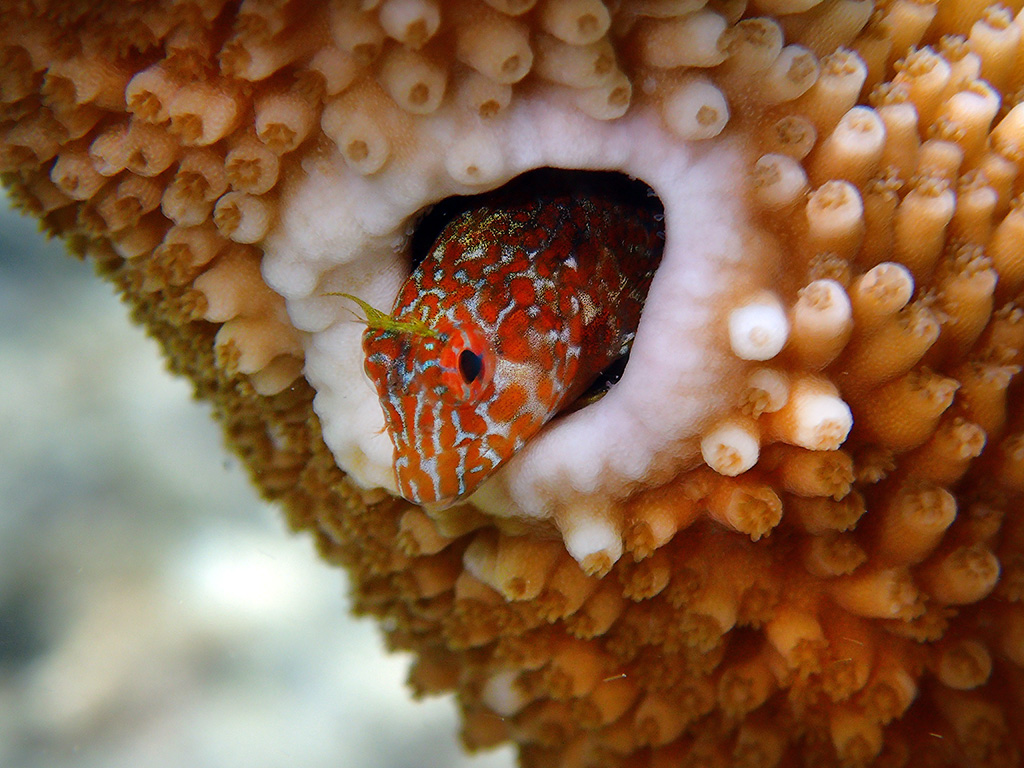
Coral reefs are among the richest ecosystems on the planet. Although they cover less than 1% of the ocean floor, they are home to about 25% of all marine species. They provide habitats, breeding grounds, and shelter for a multitude of living organisms.
Ocean warming, pollution, and physical damage are weakening these vital ecosystems. Preserving reefs means taking action for biodiversity, ocean balance, and coastal protection.
Dive into reef restoration
Become an active part of reef conservation.
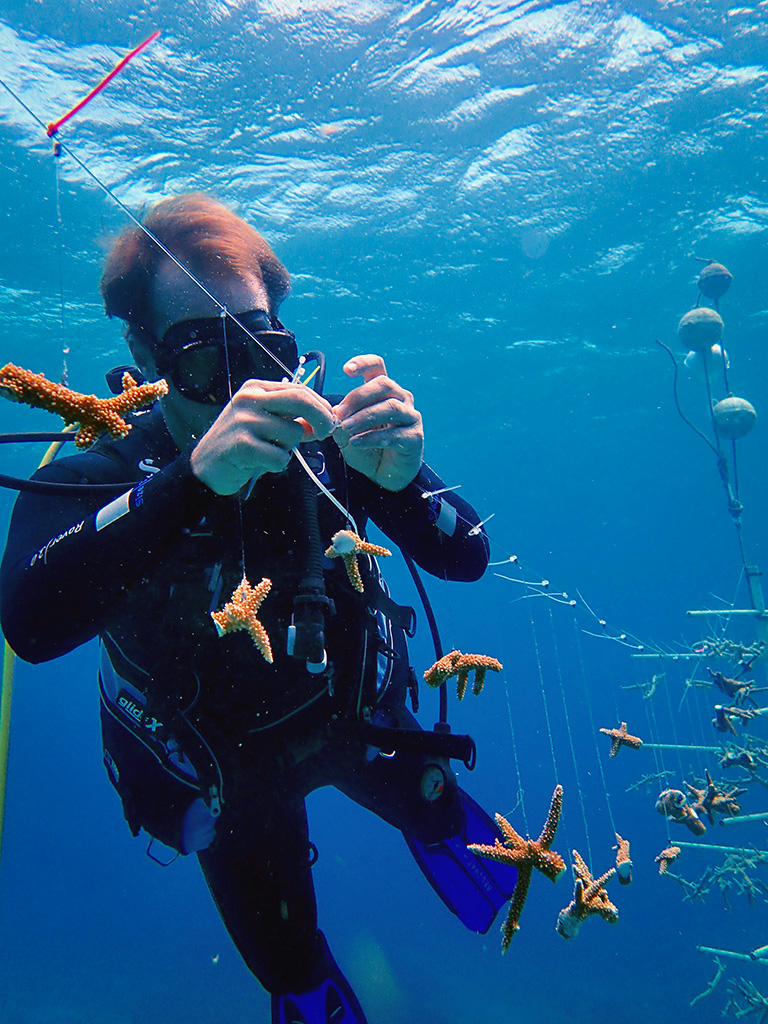
At IslanDiving, we put our diving experience to work for coral restoration in St. Barts.
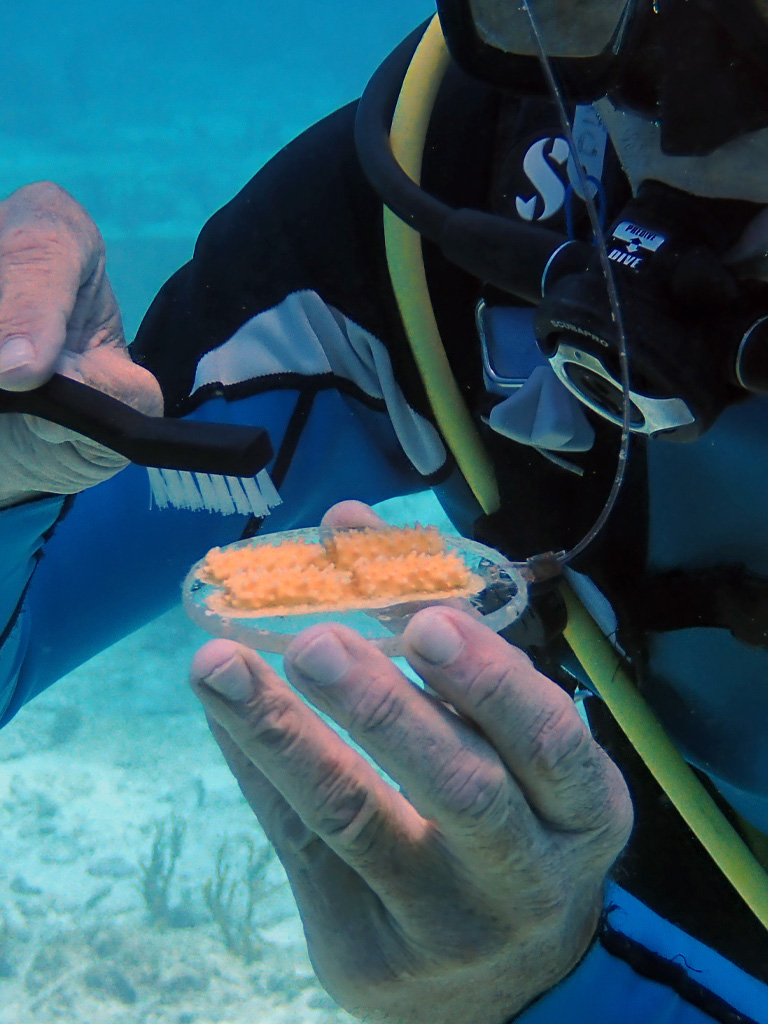
Depending on each site’s needs and the protocols in place, participating divers can help monitor corals, locate fragments, and take part in certain restoration operations. It’s a hands-on experience to better understand reefs and actively contribute to their preservation.
Why every coral counts
Every living fragment deserves our attention.
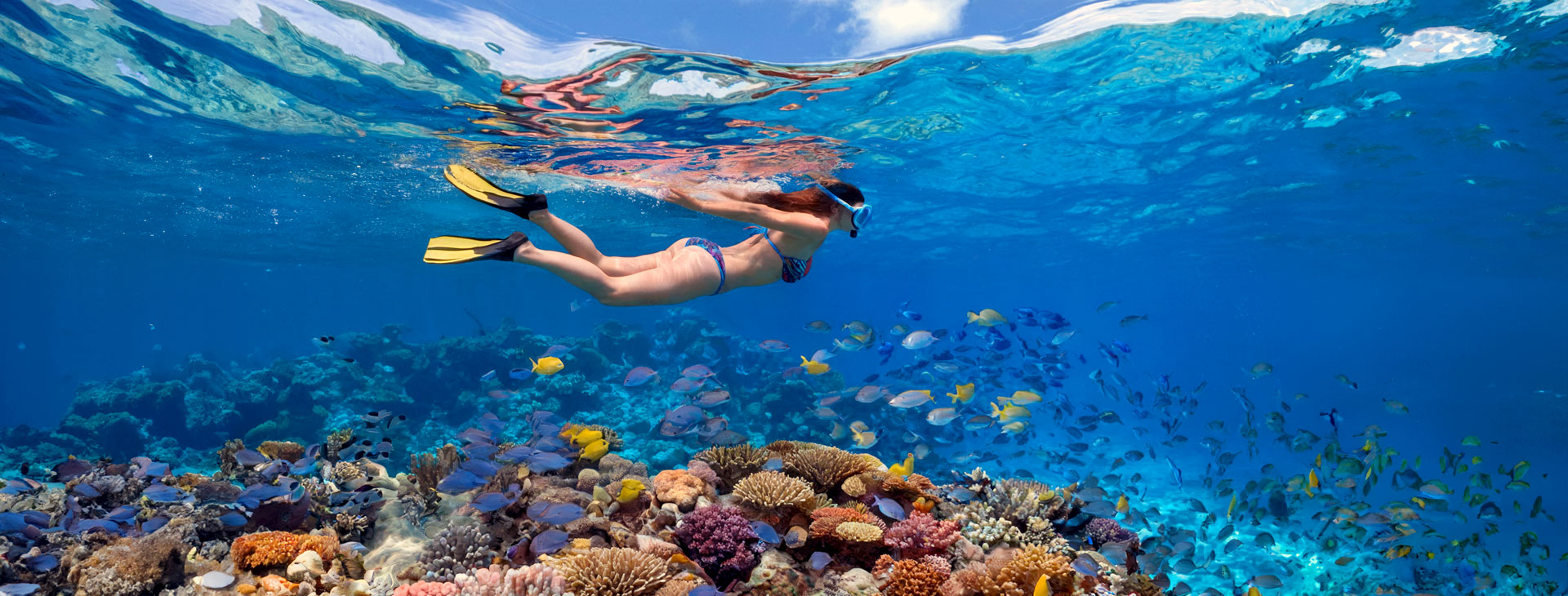
Corals build structures that shelter a great diversity of marine life. Their decline affects fish, invertebrates, and the many species that depend on reefs.
Restoration alone cannot solve every threat. Combined with habitat protection and reduced human pressure, however, it can help certain sites recover and strengthen conservation efforts.
2016
Restoring corals, building the future
Hands-on commitment since 2016.
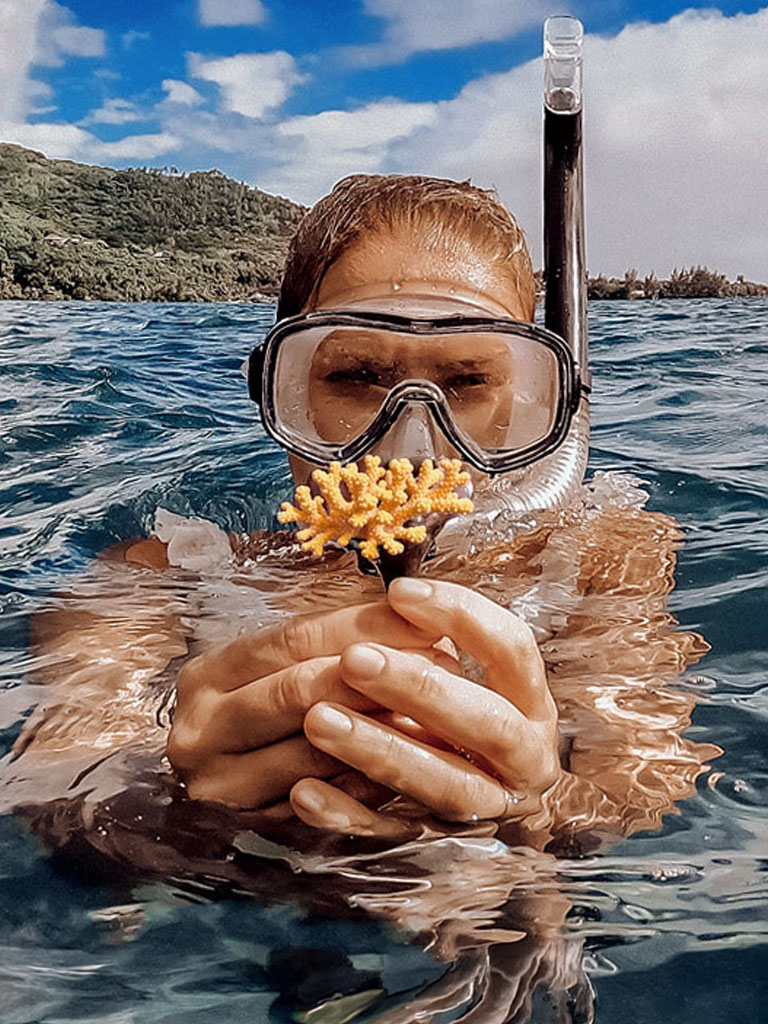
Since 2016, Bertrand Caizergues, known as “Birdy,” has been dedicated to coral reef restoration in St. Barts.
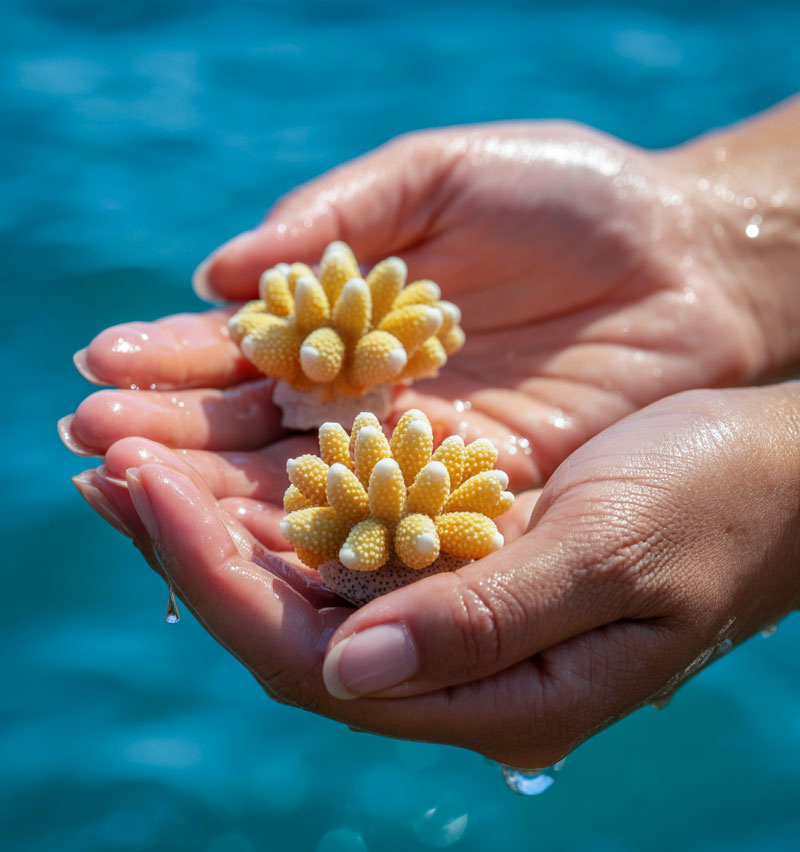
Dive after dive, this commitment relies on observation, targeted interventions, and steady work in the field, especially with branching corals of the genus Acropora. Each action helps us better understand local reefs and contribute to their preservation.
From global commitments to local solutions
What if we aimed higher, on our own scale?
France has the world’s second-largest maritime area, with nearly 11 million square kilometers (about 4.2 million square miles) of ocean territory, roughly 97% of it in its overseas territories. This exceptional presence is both a major asset and a responsibility when it comes to protecting biodiversity.
Kunming-Montreal
French national strategy for protected areas
Coral reefs are a prime example of what’s at stake. Protecting them is essential to the balance of marine ecosystems, to biodiversity, and to coastal resilience. In St. Barts, this natural heritage is also part of the island’s identity and appeal.
In December 2022, the United Nations adopted the Kunming-Montreal Global Biodiversity Framework, which sets the goal of effectively conserving and managing at least 30% of the planet’s land, inland waters, and coastal and marine areas by 2030.
France has also set the goal, in its national strategy for protected areas, of protecting at least 30% of its land and sea territory, including 10% under strict protection.
Coral restoration, public awareness, scientific monitoring, and protection measures tailored to our local realities can all contribute to this shared ambition.
taking into account our unique features
and the resources we have?”
Certified diving, responsible action
Putting your experience to work for the ocean.
Underwater restoration operations are reserved for divers with the certification level and experience suited to the planned intervention.
Each dive is planned around diving conditions, safety guidelines, and restoration protocols. The goal is to work methodically, minimize disturbance, and respect marine life.
Join the movement
Together, let’s act for our reefs.
Preserving corals is a shared responsibility. By joining our restoration efforts, exploring reefs with a more attentive eye, and adopting good habits at sea, everyone can help protect them.
Join the IslanDiving initiative and do your part to preserve the marine heritage of St. Barts.